
Staying Active Through the Years: Why Consistent Movement Matters More Than Intensity
Aging is a natural process that brings gradual changes to the body. Muscle mass may slowly decline, joints may feel less flexible, and energy levels can fluctuate. While these shifts are normal, research consistently shows that regular physical activity plays a meaningful role in supporting long-term vitality.
The key is not extreme workouts or high performance goals. Instead, it is consistent, sustainable movement that supports physical function over time.
The Body Thrives on Motion
The human body is designed to move. Muscles, joints, and connective tissues respond positively to regular use. When movement becomes limited for long periods, stiffness and reduced mobility may gradually develop.
Gentle but consistent activity helps maintain:
- Joint range of motion
- Muscle engagement
- Circulation efficiency
- Balance and coordination
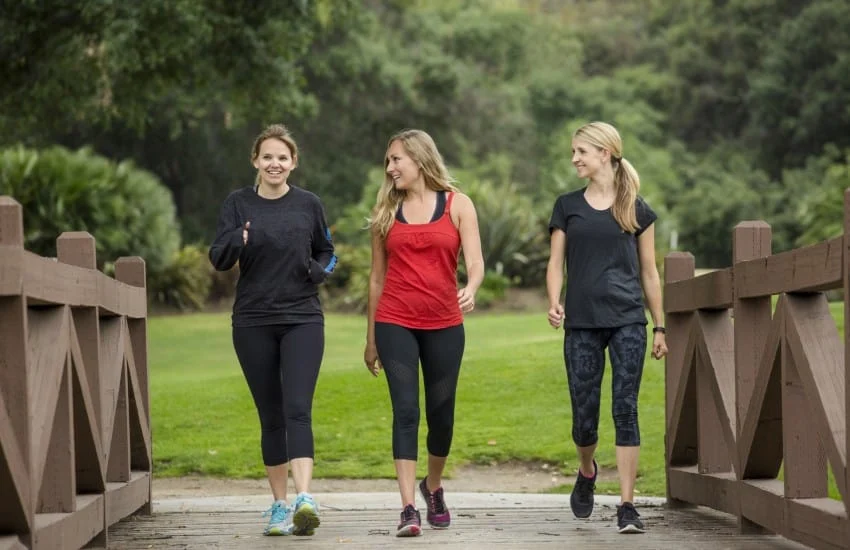
Even moderate daily activities such as walking, light cycling, or swimming can contribute to maintaining physical function.
Supporting Balance and Coordination
Balance naturally becomes more important with age. Regular movement that challenges stability — such as controlled bodyweight exercises or simple balance drills — may help support coordination.
Improved balance supports independence in everyday tasks, from climbing stairs to carrying groceries. Maintaining these abilities contributes significantly to quality of life.
Energy and Physical Confidence
Consistent movement can also influence how energetic and capable a person feels. Physical activity supports circulation and oxygen delivery throughout the body, which may contribute to feelings of alertness.
Over time, maintaining an active routine may also build physical confidence. Feeling capable in daily movement often encourages continued participation in activities that bring enjoyment and social connection.
A Long-Term Perspective
Healthy aging is not about avoiding all change. It is about adapting with intention. Small amounts of regular activity, practiced consistently, often have a greater long-term impact than occasional intense exercise.
The foundation of longevity-focused movement is sustainability. Choosing activities that feel manageable and enjoyable increases the likelihood of maintaining them for years.